Importance of Toilet Shell Molds
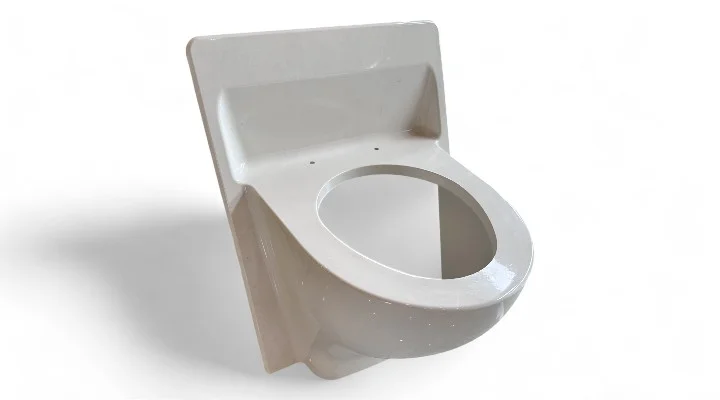
In modern bathroom product manufacturing, toilet shell molds play a critical role. They directly determine the molding accuracy, appearance quality, and service life of the product.
- Smooth surface, suitable for glazing and easy cleaning;
- Accurate dimensions to ensure stable installation and sealing;
- Excellent strength and durability to ensure long-term use.
Classification of Toilet Shell Molds
1. Ceramic Toilet Molds
Mainly use plaster molds or resin molds, suitable for complex shapes but with limited service life.
2. SMC/BMC Composite Material Molds
Manufactured using compression molds, suitable for lightweight designs with advantages of corrosion resistance and mass production. Commonly applied in new eco-friendly toilet shells.
3. Injection Molds
Used for plastic shells, featuring high production efficiency, often applied in lightweight or auxiliary parts.
Manufacturing Process of Toilet Shell Molds
- Mold Design: Utilize CAD/CAE 3D modeling, combining ergonomics and sewage channel design.
- Material Selection: Steel (such as P20, 718H) or resin/plaster, balancing wear resistance and molding performance.
- Processing Techniques: CNC machining, EDM, polishing to improve precision and demolding performance.
- Trial and Debugging: Conduct trials before mass production to ensure consistency and stability.
Application Advantages of Toilet Shell Molds
- Increase production efficiency and reduce labor costs;
- Ensure consistent product dimensions and reduce defect rates;
- Support customized designs to meet diverse market demands;
- Eco-friendly production, contributing to energy saving and emission reduction.
Future Development Trends of Toilet Shell Molds
The bathroom industry is moving towards intelligence, lightweight design, and environmental protection. The main trends of toilet shell molds include:
- Smart Manufacturing: Integrated CAD/CAE/CAM systems to improve efficiency;
- New Material Applications: Wider use of SMC and BMC composites for enhanced durability;
- Extended Mold Life: Surface hardening treatments to reduce wear;
- Green Production: Promote eco-friendly materials and energy-saving processes.
Conclusion
Toilet shell molds are a vital bridge in bathroom manufacturing. Their precision and innovation directly determine product quality and market competitiveness. In the future, molds will continue to evolve towards intelligent, eco-friendly, and efficient directions, providing better solutions for the global bathroom industry.